


Storage for eternity
Storage for eternity
Storing data cost-effectively and sustainably over long periods is one of the great challenges of our time. The start-up Cerabyte has developed a new technology, relying on an ancient medium: ceramic tablets. EuroCC Austria is supporting the team in bringing its system to market as a sustainable alternative to hard drives.
Bettina Benesch
The societal problem: Data storage is inefficient
Anyone who stores data on HDDs and SSDs over long periods accepts economic disadvantages – and the environment is also unnecessarily burdened, explains Martin Kunze, founder and Chief Marketing Officer at Cerabyte GmbH: "Modern media have to be replaced every few years. As a result, one million hard drives end up in the shredder worldwide every day," says Kunze. "Storage itself also permanently consumes energy, which makes long-term data storage expensive and extremely unsustainable."
In addition, AI usage has created a bottleneck in the availability of HDDs and SSDs, which means rising prices and delivery times stretching over years. "Conventional media can only be improved linearly, and the demand for storage space is growing exponentially, which only makes this problem ever greater – unless a new technology comes to market," says Kunze.
The Solution: ceramic tablets as a new, sustainable medium
Cerabyte aims to solve several problems at once with its new technology: data that are not needed within fractions of a second can not only be stored much more cost-effectively, but also for longer and more sustainably than before. The company sees in its new system, called Ceramic Nano Memory, the potential to deliver precisely the storage densities that will be needed in the future.
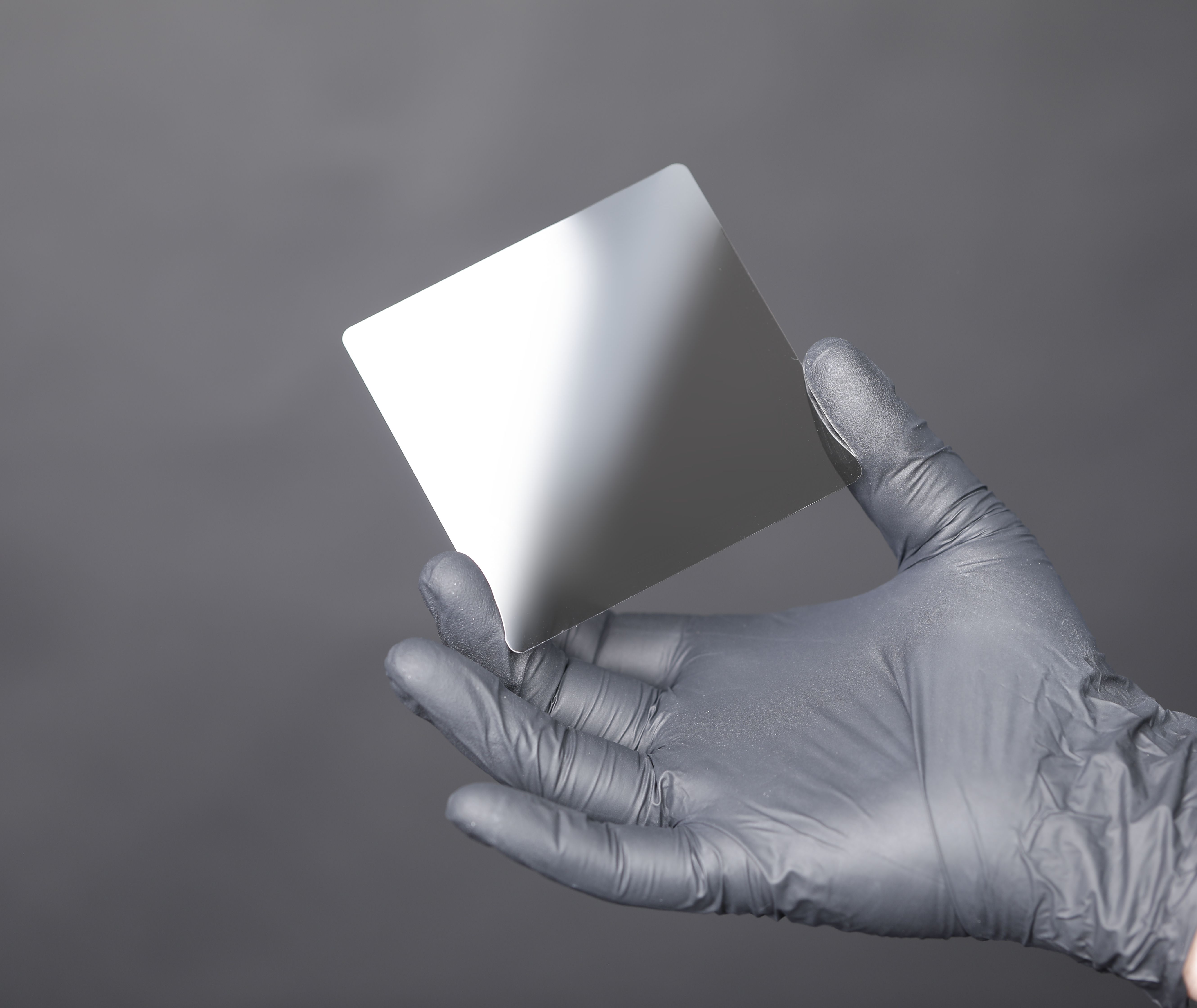
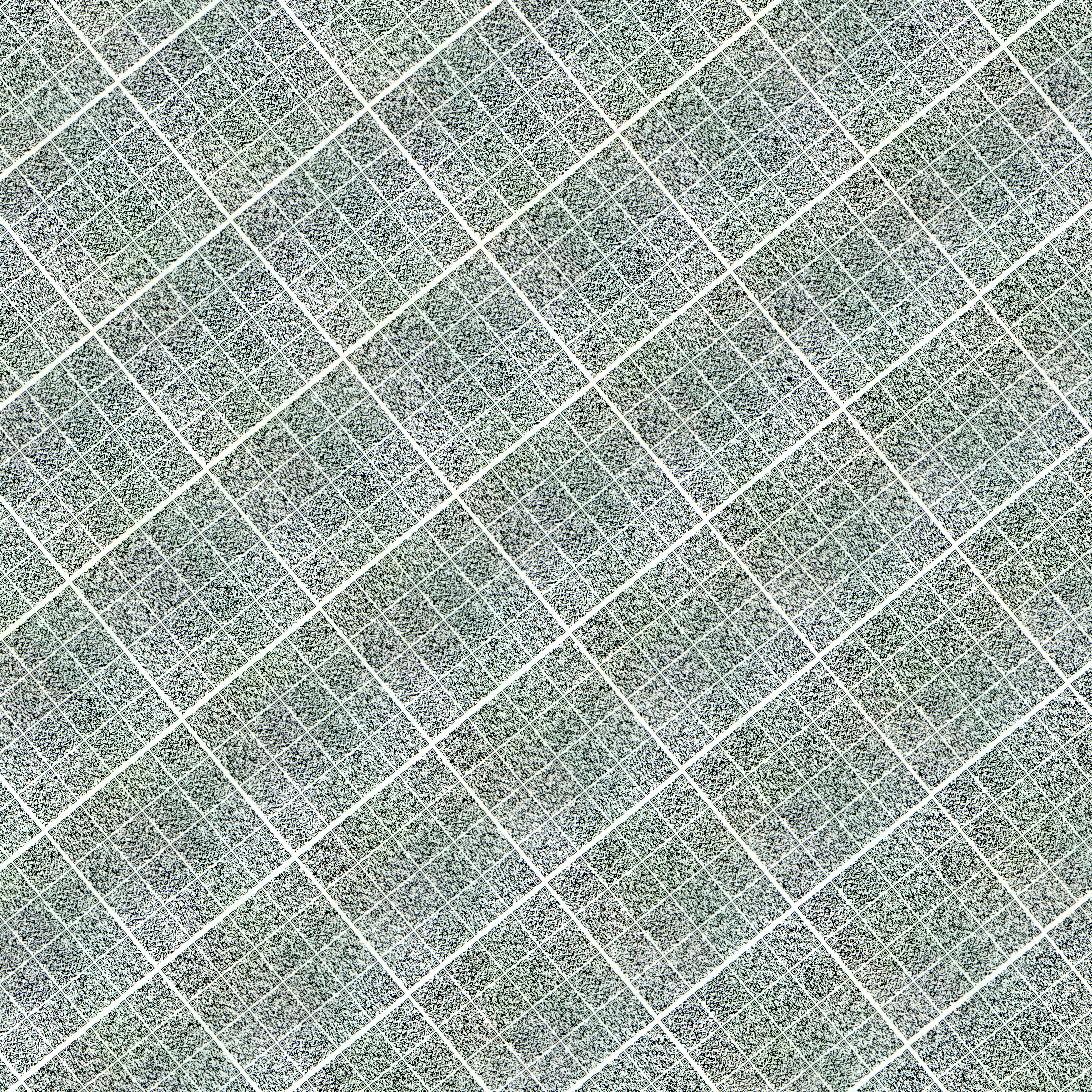
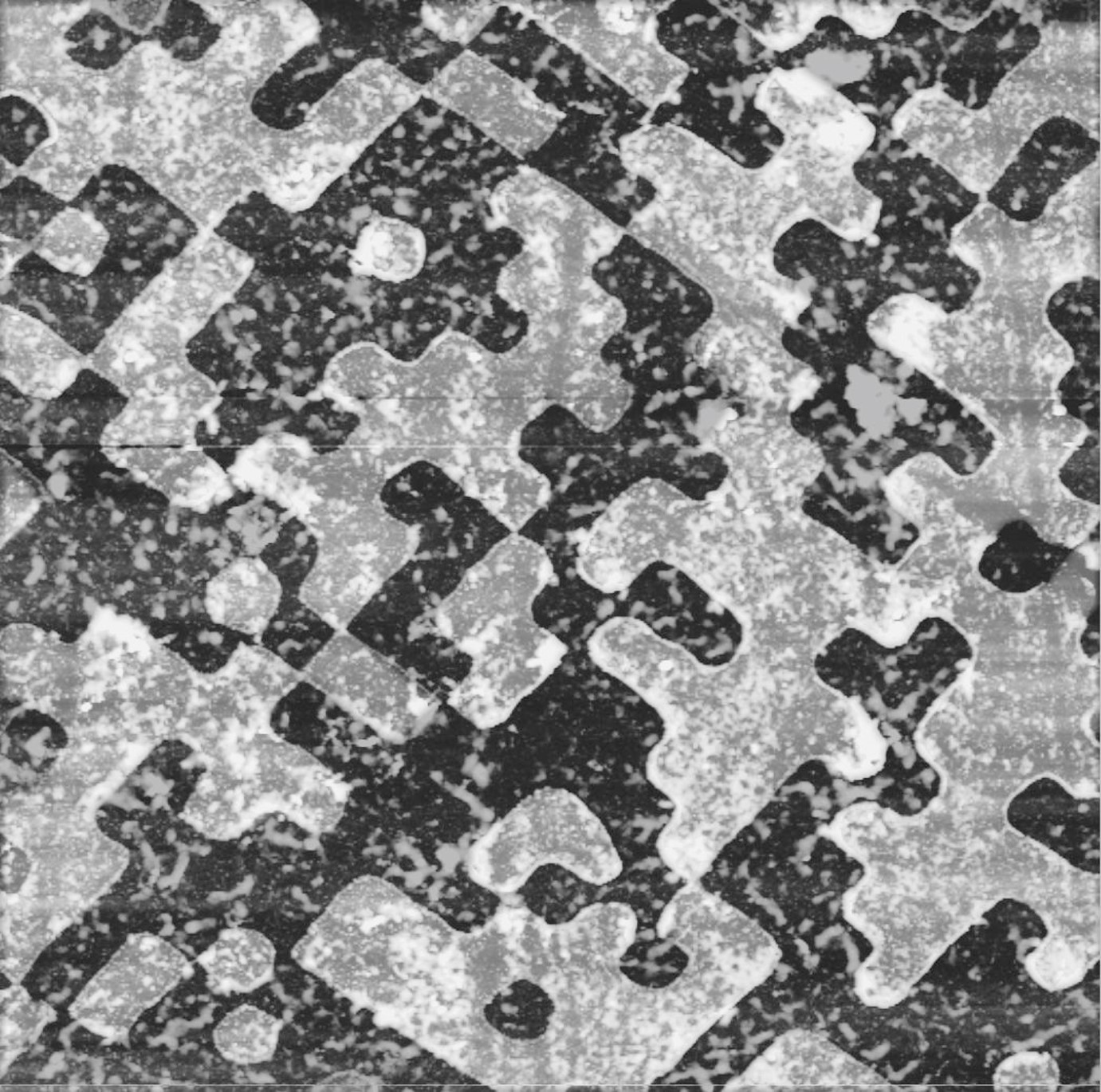
The company produces extremely thin glass-ceramic tablets onto which tiny QR codes are applied using an ultra-short pulsed laser, which hold the stored data. Each of these tablets measures 9 × 9 centimetres and, at 100 µm, is roughly paper-thick; the ceramic layer itself is 50 to 100 nm high – thinner than a flu virus, in other words. As a physical information unit, Cerabyte uses Hole/No-Hole: the laser mills tiny holes (or no holes) into the ceramic layer – thus storing bits permanently; similar to a CD, only in a much denser nanostructure. Several tablets are stacked in a cassette whose form resembles that of an LTO tape (approx. 10 × 10 × 2 cm). A single tablet holds around three GB of data; per rack, one to 5 PB can be stored. And that for a very, very long time.
After extensive testing, it’s clear: the QR codes remain readable even after exposure to UV light, gamma radiation, or moisture.
After tests at temperatures from -273 °C to 500 °C, the developers assume that the stored data will survive a thousand years and more. The QR codes remain readable even after exposure to UV light, gamma radiation or moisture. As of spring 2026, the team is working on significantly improving the read-out process, because in terms of speed, the ceiling has not yet been reached. And this is precisely where the collaboration with EuroCC Austria comes in.
The technical problem: decoding as a bottleneck
Reading out sounds simple to laypeople: point the microscope at the ceramic tablets, recognise the QR code, done. In reality, however, the process is extremely complex: modern microscopes work with high-resolution, very fast cameras that do not produce individual images, but rather a continuous data firework. Each frame contains complex patterns in which the data are embedded. This is precisely where the problem arises: if you send this image data classically to the CPU to decode it there, the system is immediately at its limit. Decoding thus becomes the slowest part of the entire pipeline and massively drags the system down.
The Solution: massive parallelisation
Together with AI consultant Thomas Haschka, Cerabyte is now working on significantly accelerating the read-out process. The crucial step is to no longer perform the decoding on CPUs, but on GPUs – specifically on those of Austria's most modern high-performance computer, MUSICA. GPUs (Graphic Processing Units) consist of thousands of small processing cores that can all work simultaneously – perfect for image data, where each pixel or each QR code block is analysed independently. Thomas Haschka has developed the algorithm that recognises these QR codes in the image reliably and quickly.
If Cerabyte, with the help of EuroCC Austria, can achieve a stable GPU-based read-out step of around 200 MB/s, the system would be not only more durable and more cost-efficient than anything we have today, but also fast enough to be used in everyday life.
The goal: a storage system that lasts millennia,is sustainable and cost-effective, and feels like a modern hard drive
If Cerabyte, with the help of EuroCC Austria, stably achieves the GPU-based read-out step at around 200 MB/s, the system would not only be more durable and cost-efficient than anything we currently have, but also fast enough to be used in everyday life. The ceramic tablets would then be technically and economically competitive – and our descendants in a hundred or a thousand years could still read out data without any problem.
About Cerabyte
Cerabyte was founded in 2022 by a handful of pioneers who dared to re-think sustainable data storage from scratch. The team's vision is to store all data forever and to preserve today's digital records for future use.